The (Athenian) tree of Geriatrics
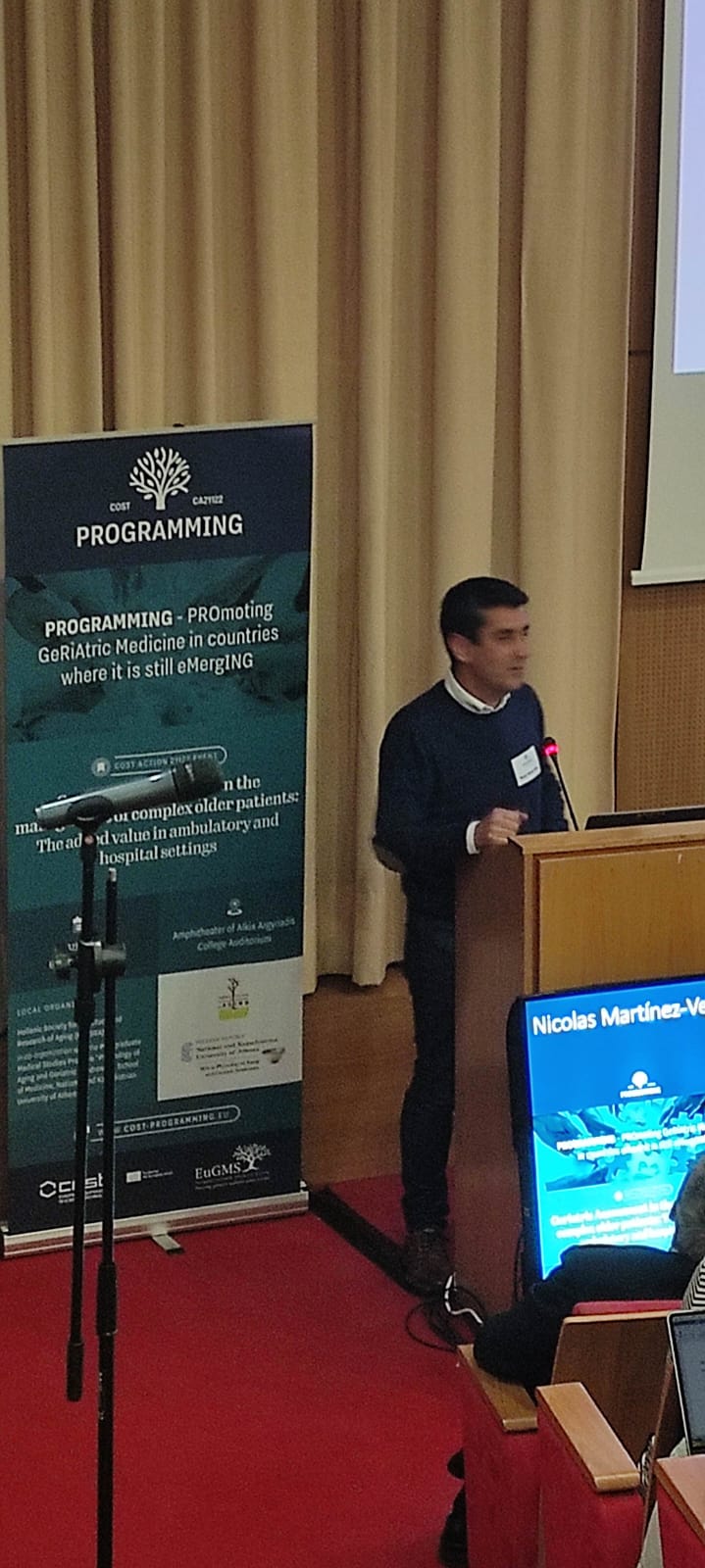
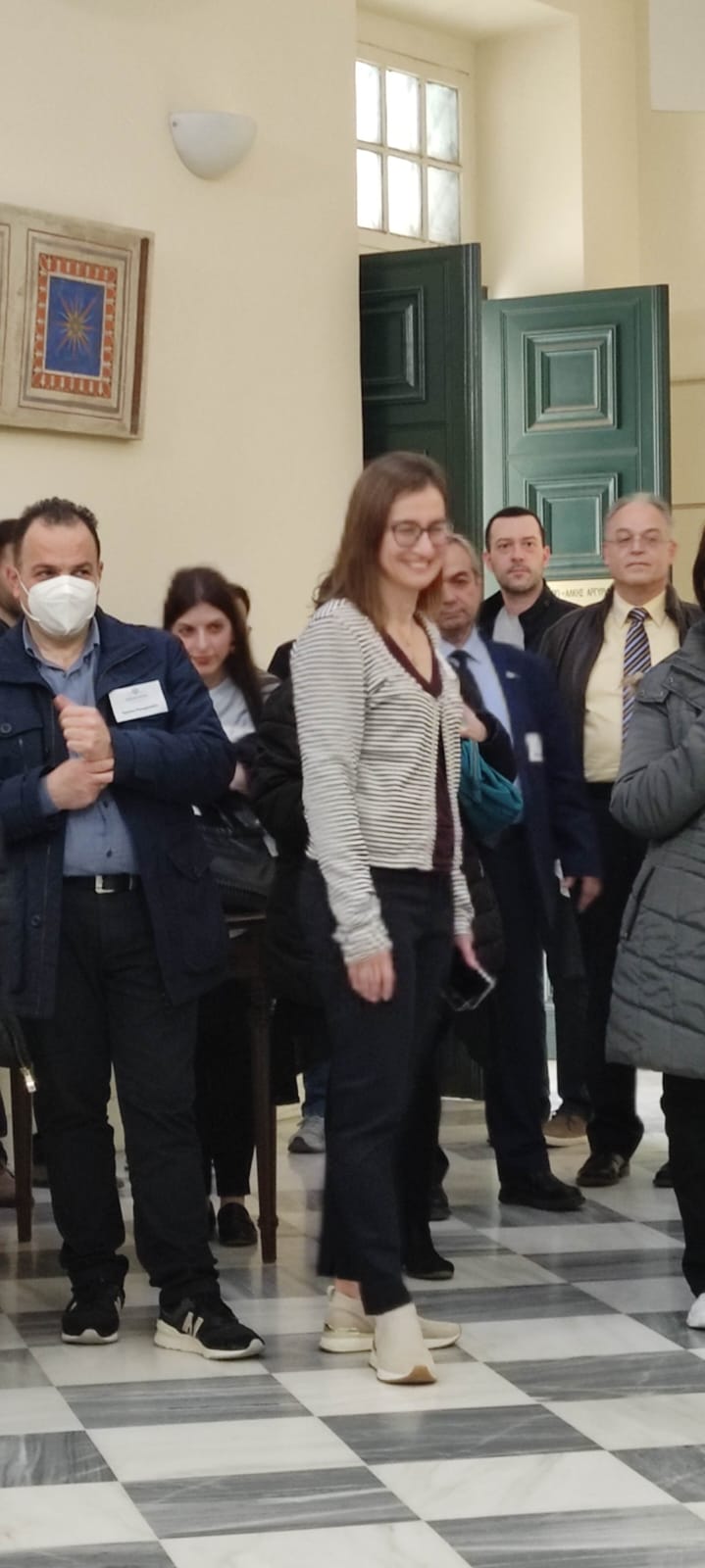
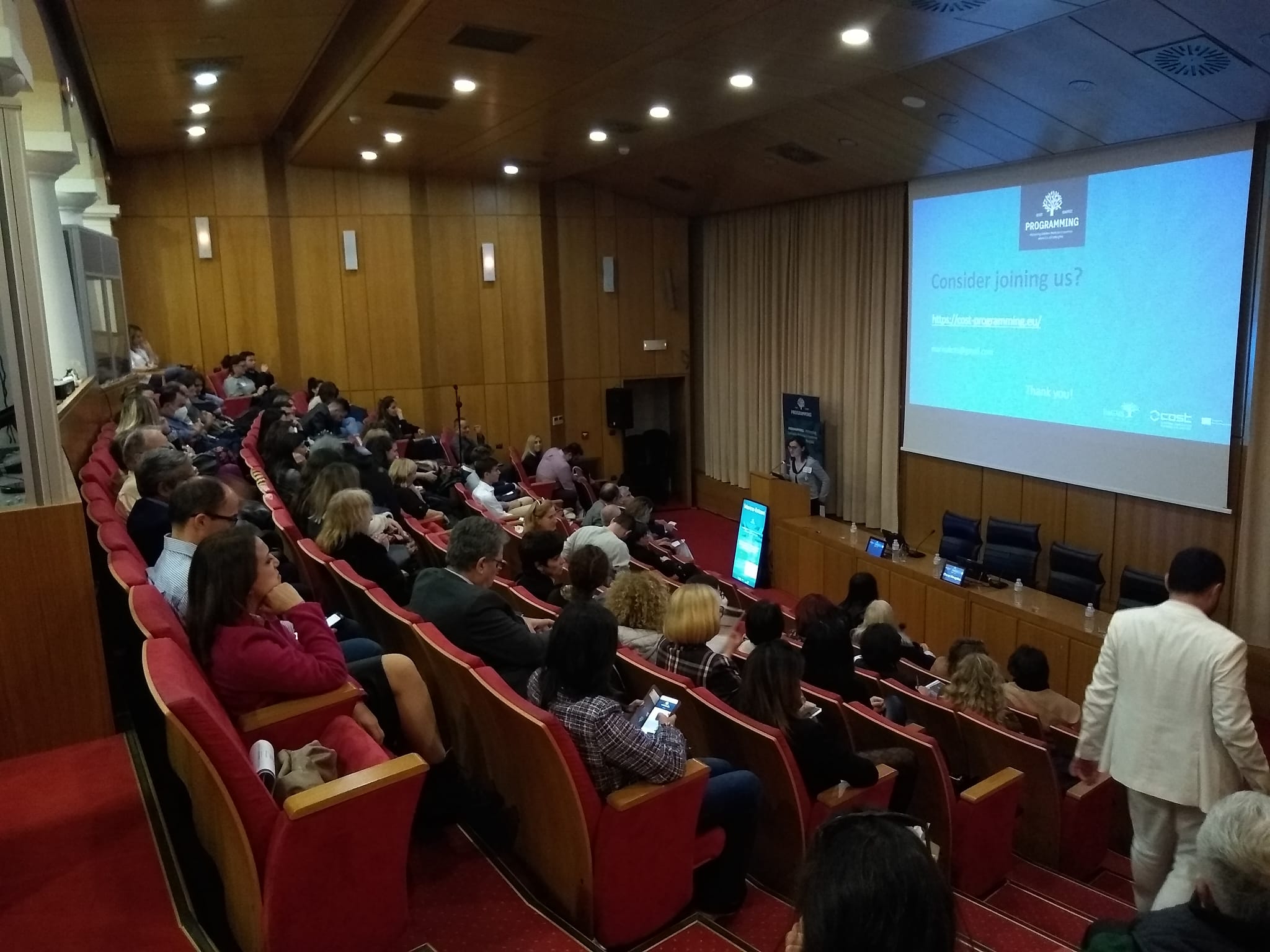
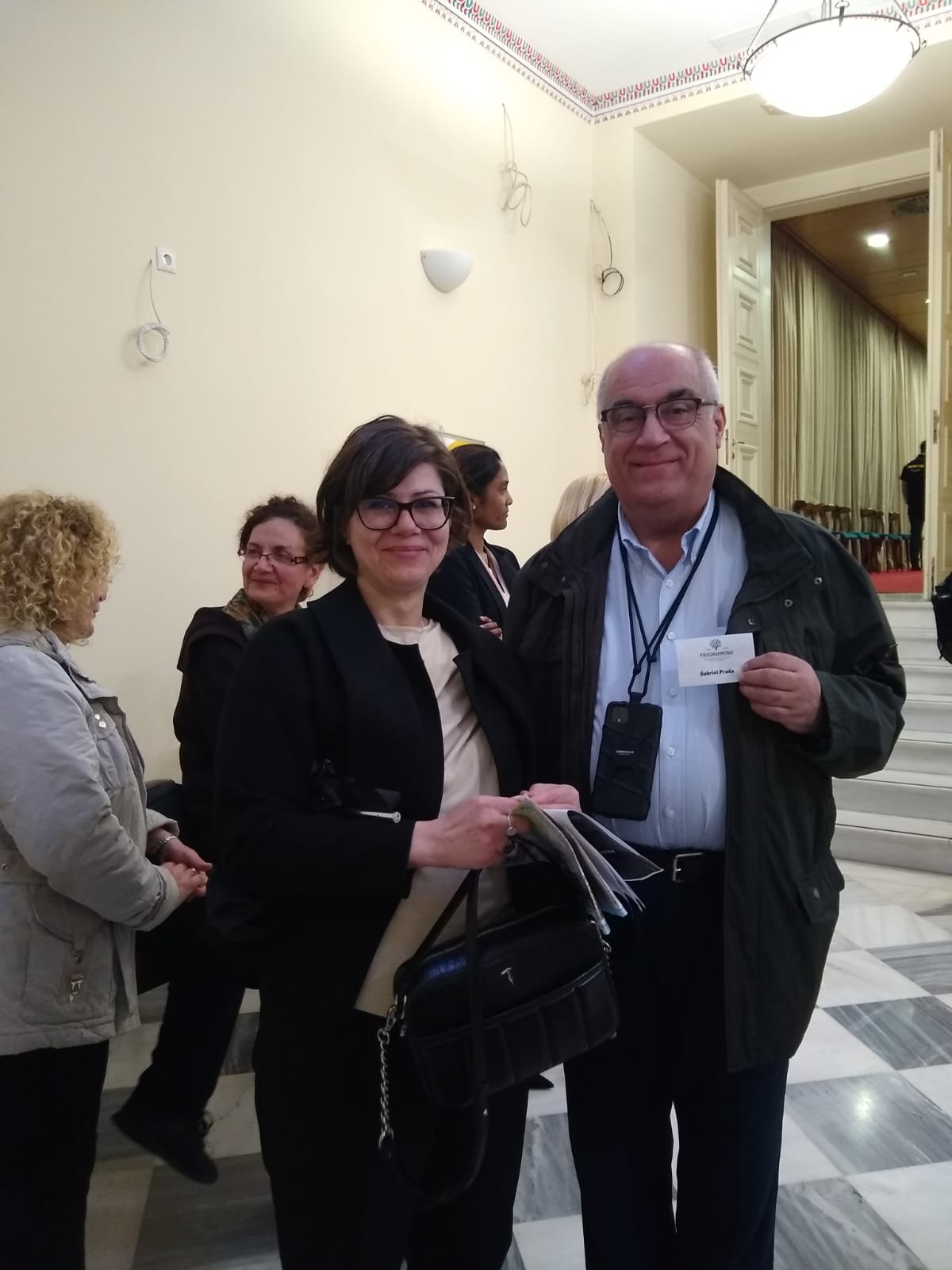
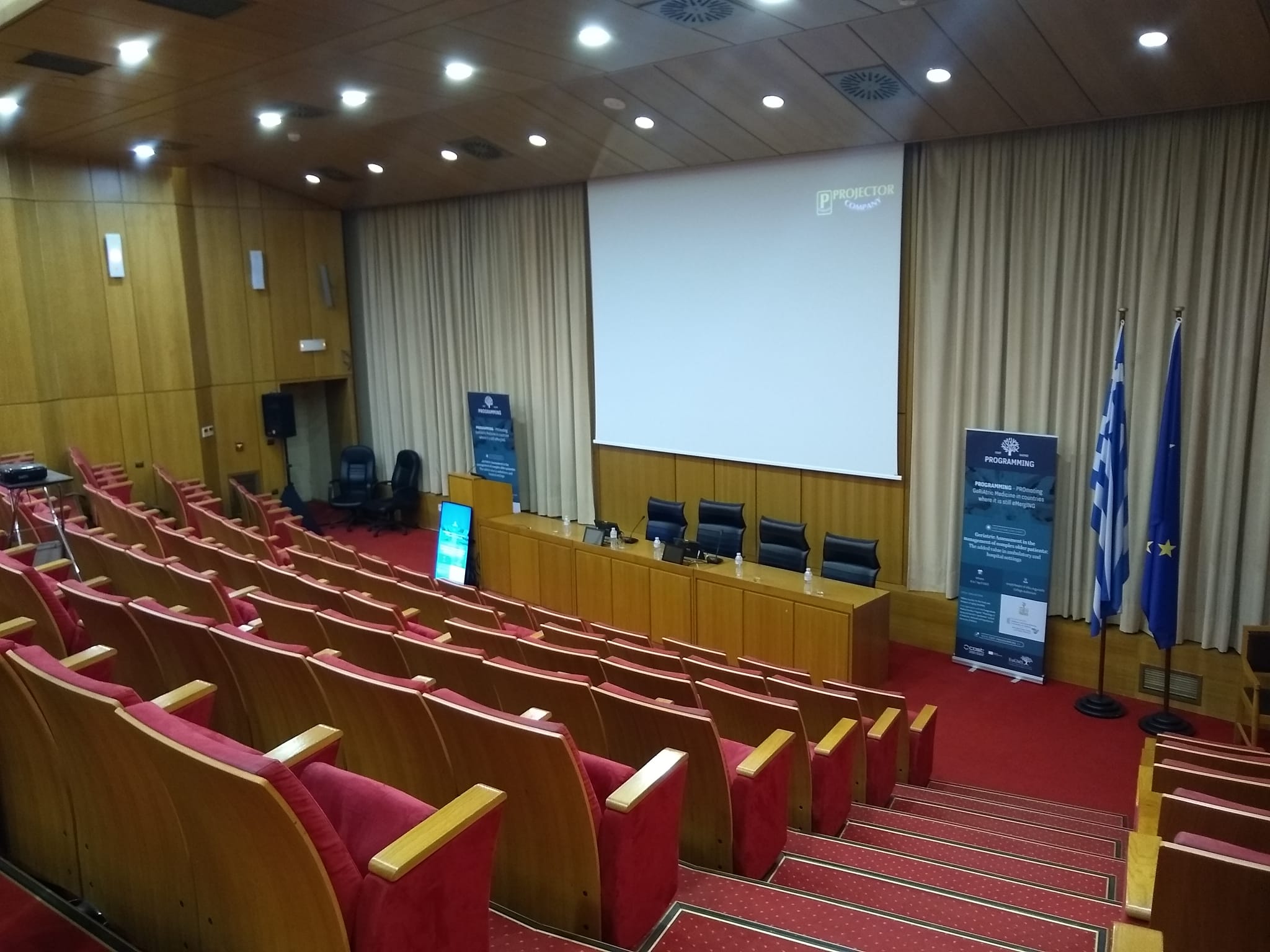
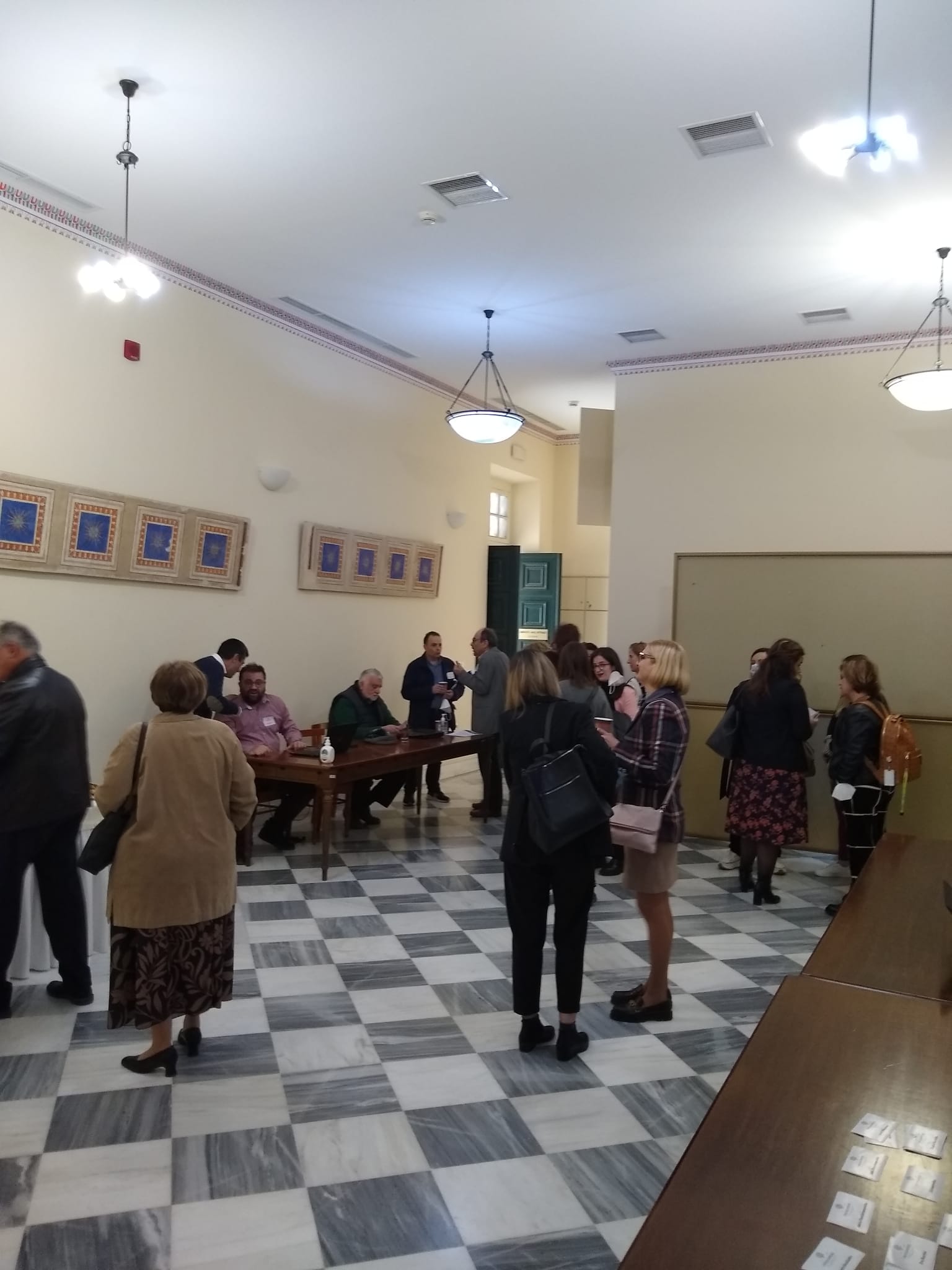
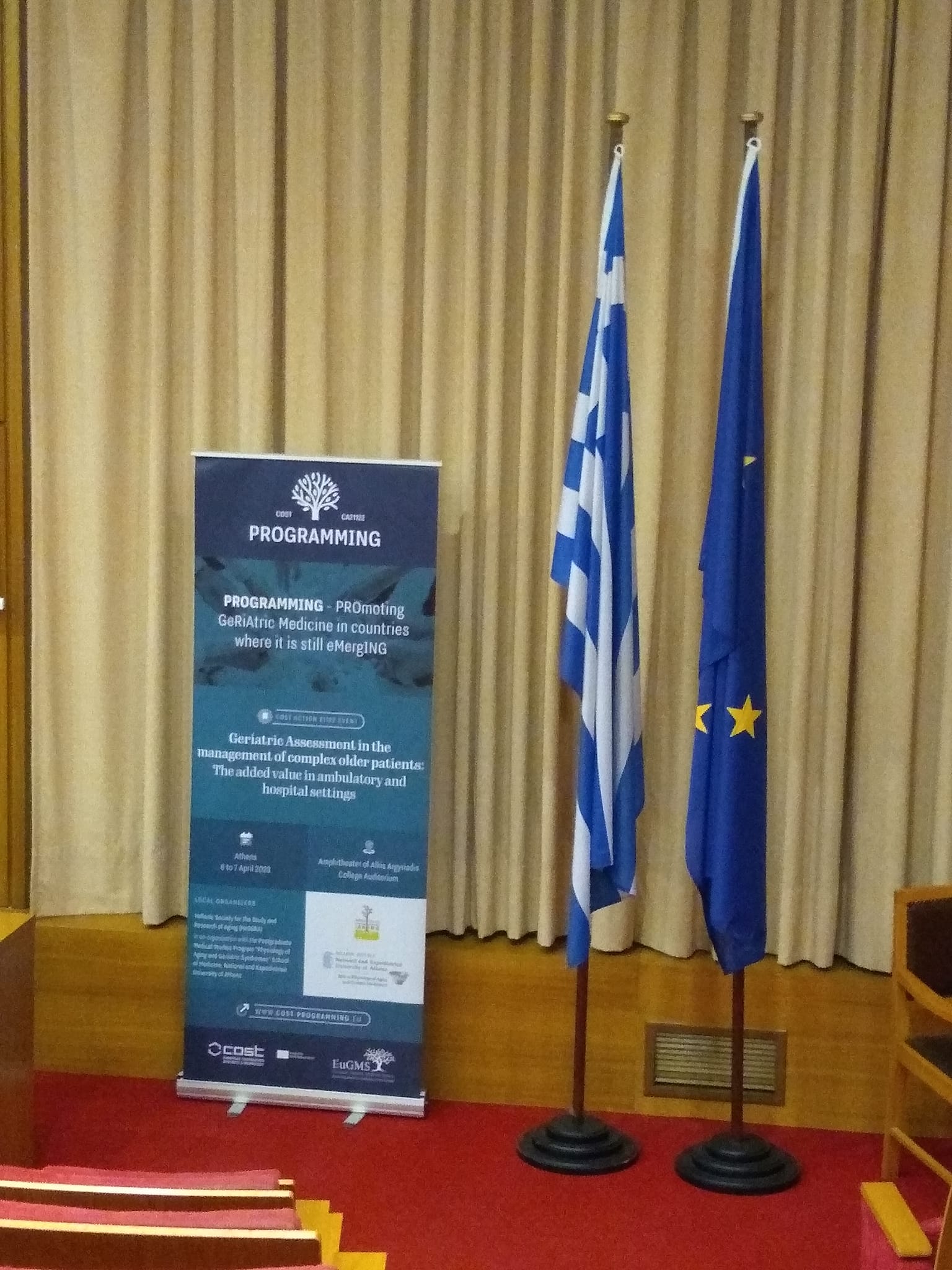
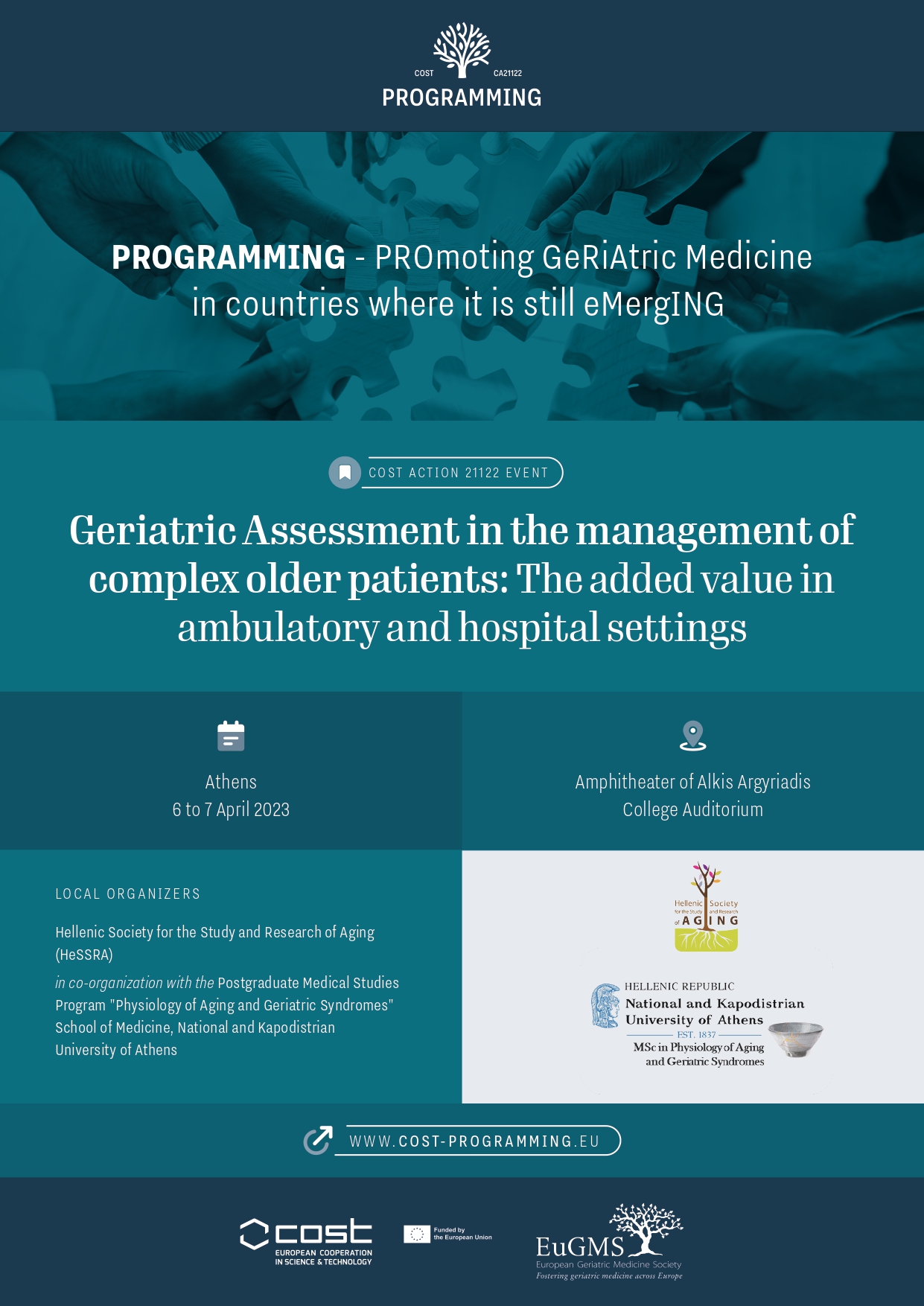
On the 6th and 7th of April 2023, the first face-to-face event of the PROGRAMMING COST Action, was held in Athens, Greece. After several months of online meetings, the PROGRAMMING Action members at last met in person!
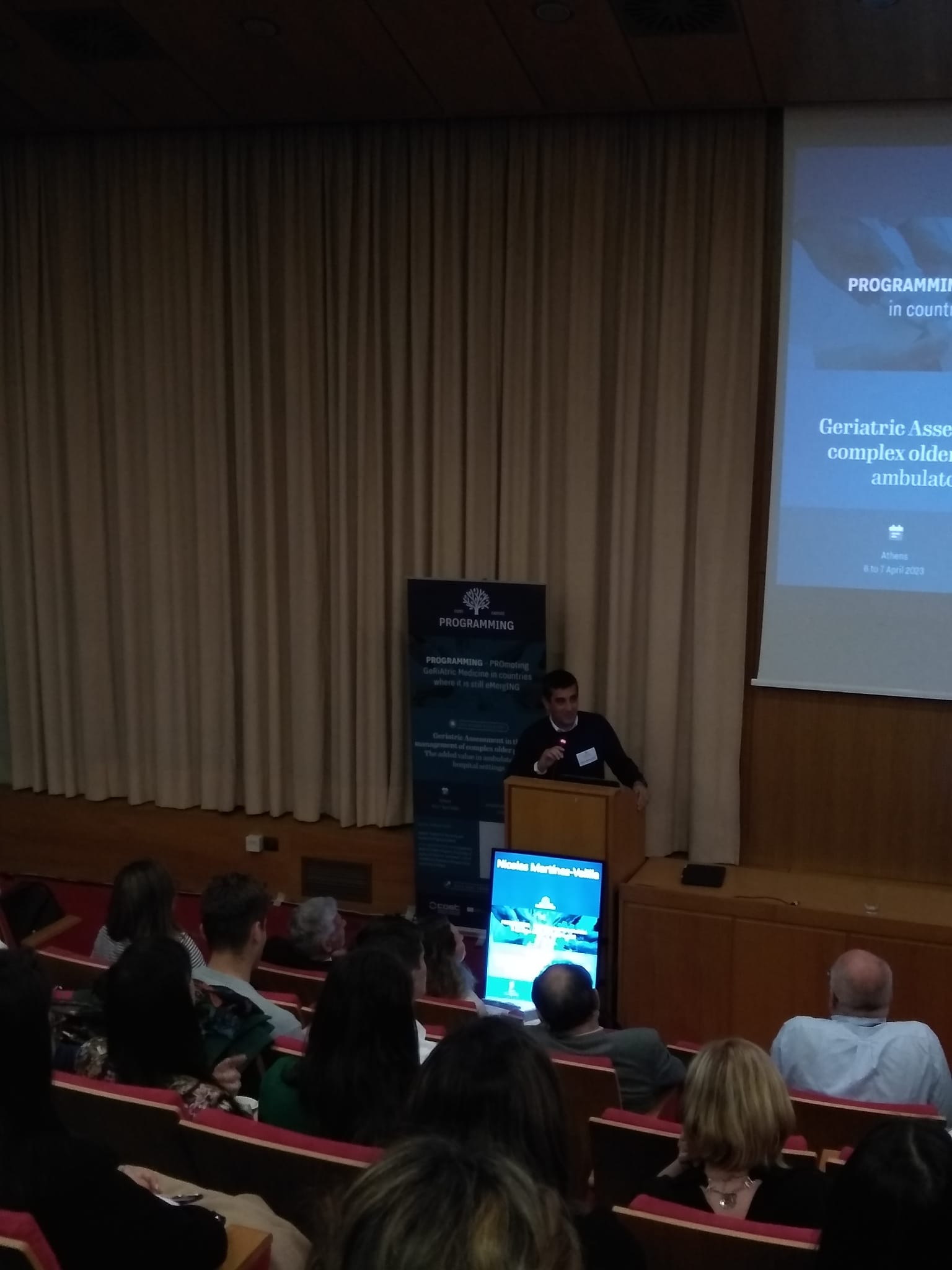
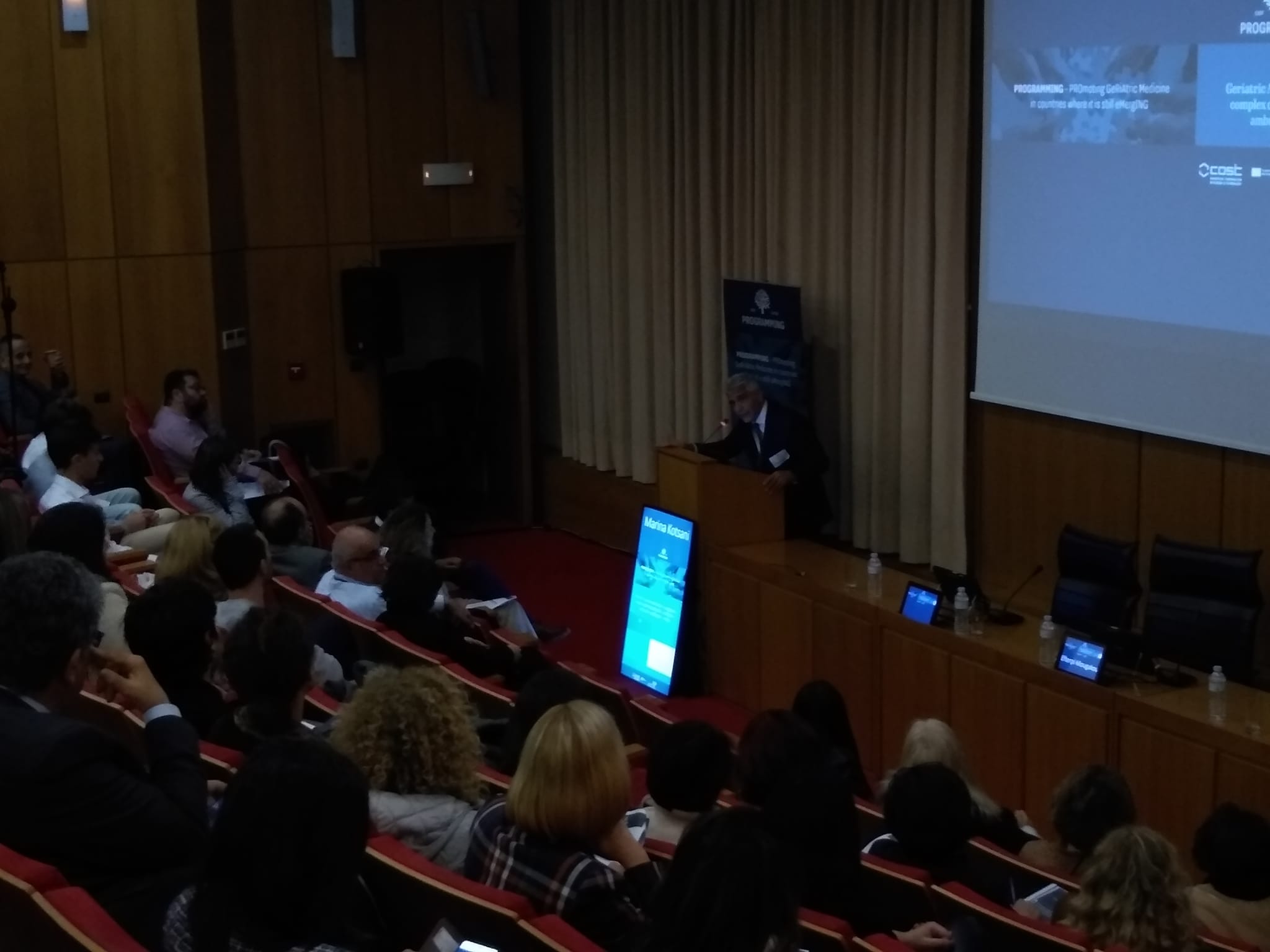
Under the auspices of the European Geriatric Medicine Society (EuGMS), the local organizers (Hellenic Society for the Study and Research of Aging and the Postgraduate Medical Studies Program “Physiology of Aging and Geriatric Syndromes” of the School of Medicine of the National and Kapodistrian University of Athens), have chosen the topic “Geriatric Assessment in the management of complex older patients: The added value in ambulatory and hospital settings”.
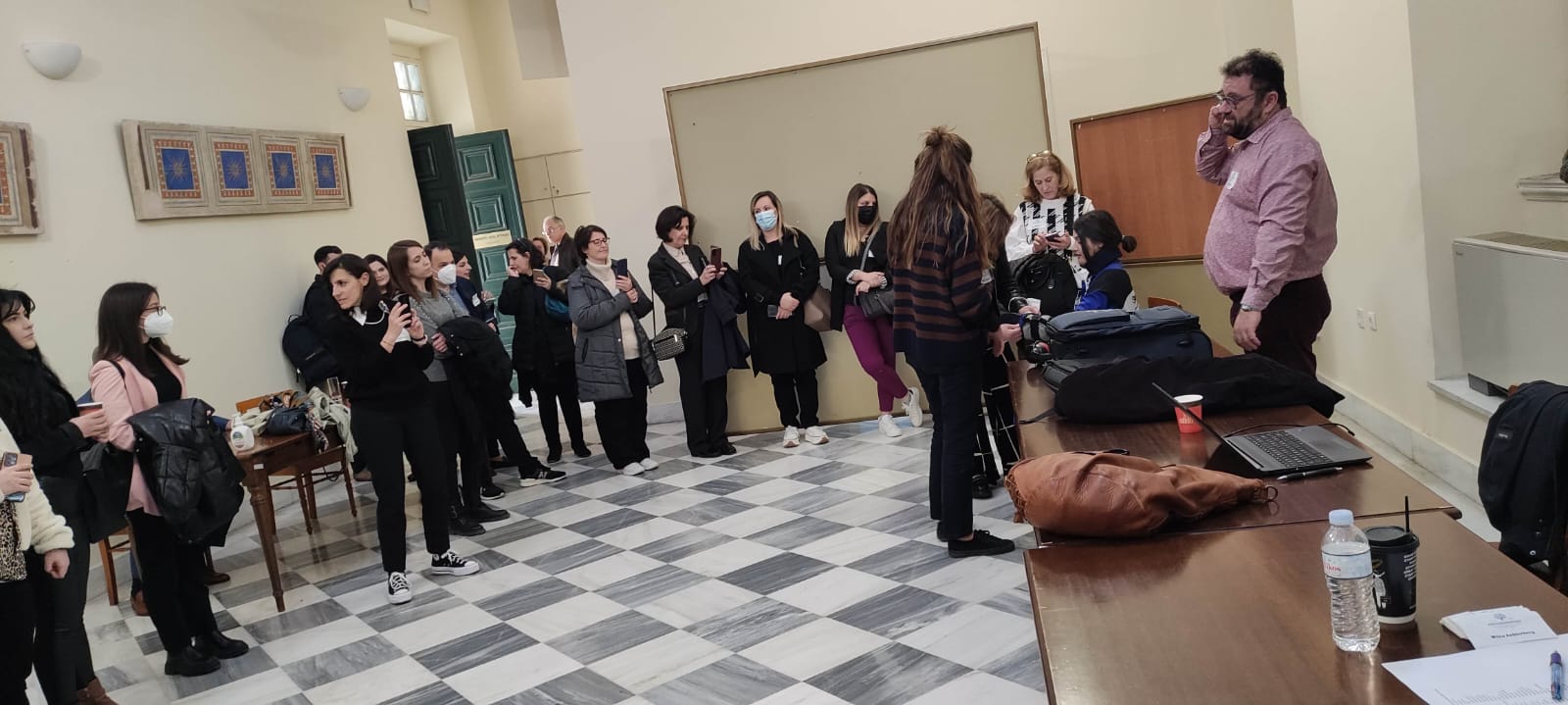
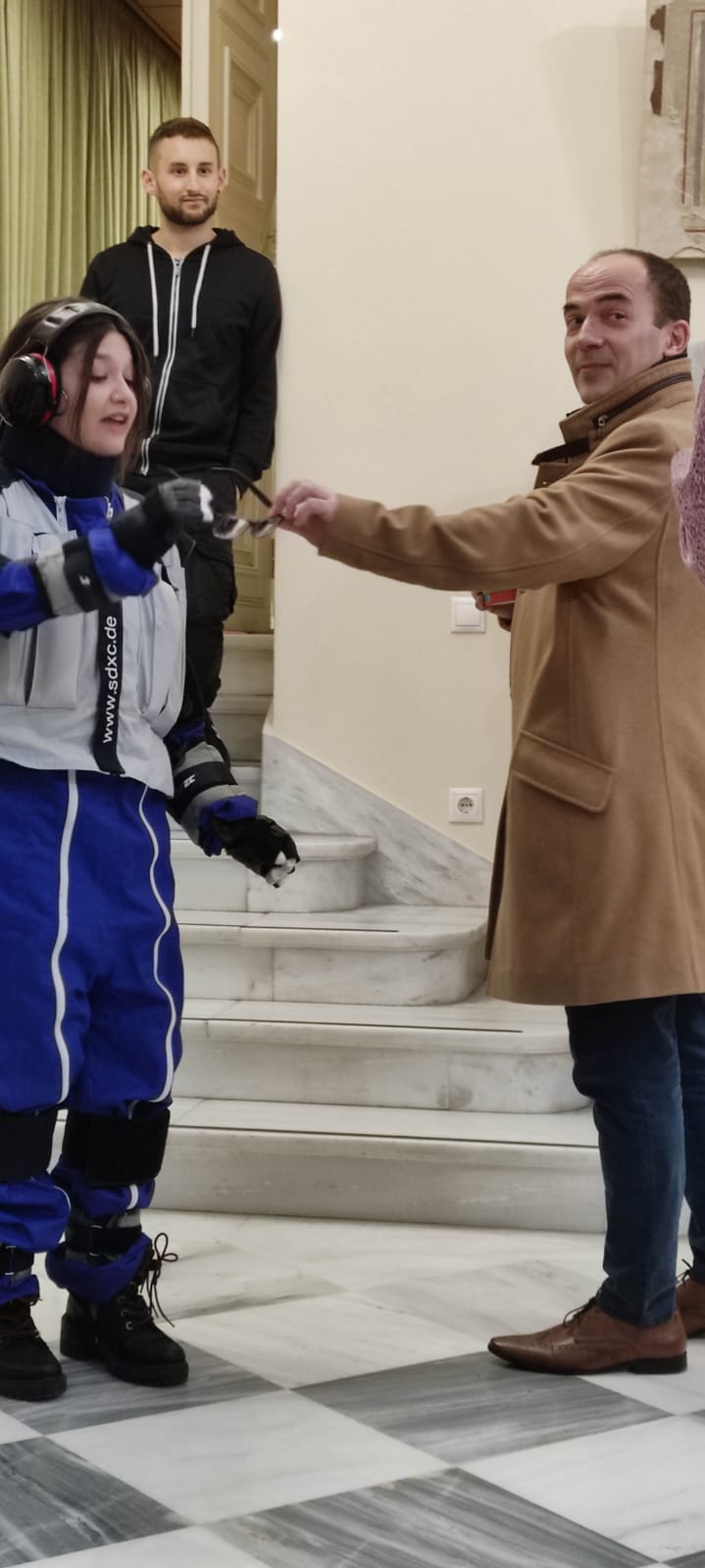
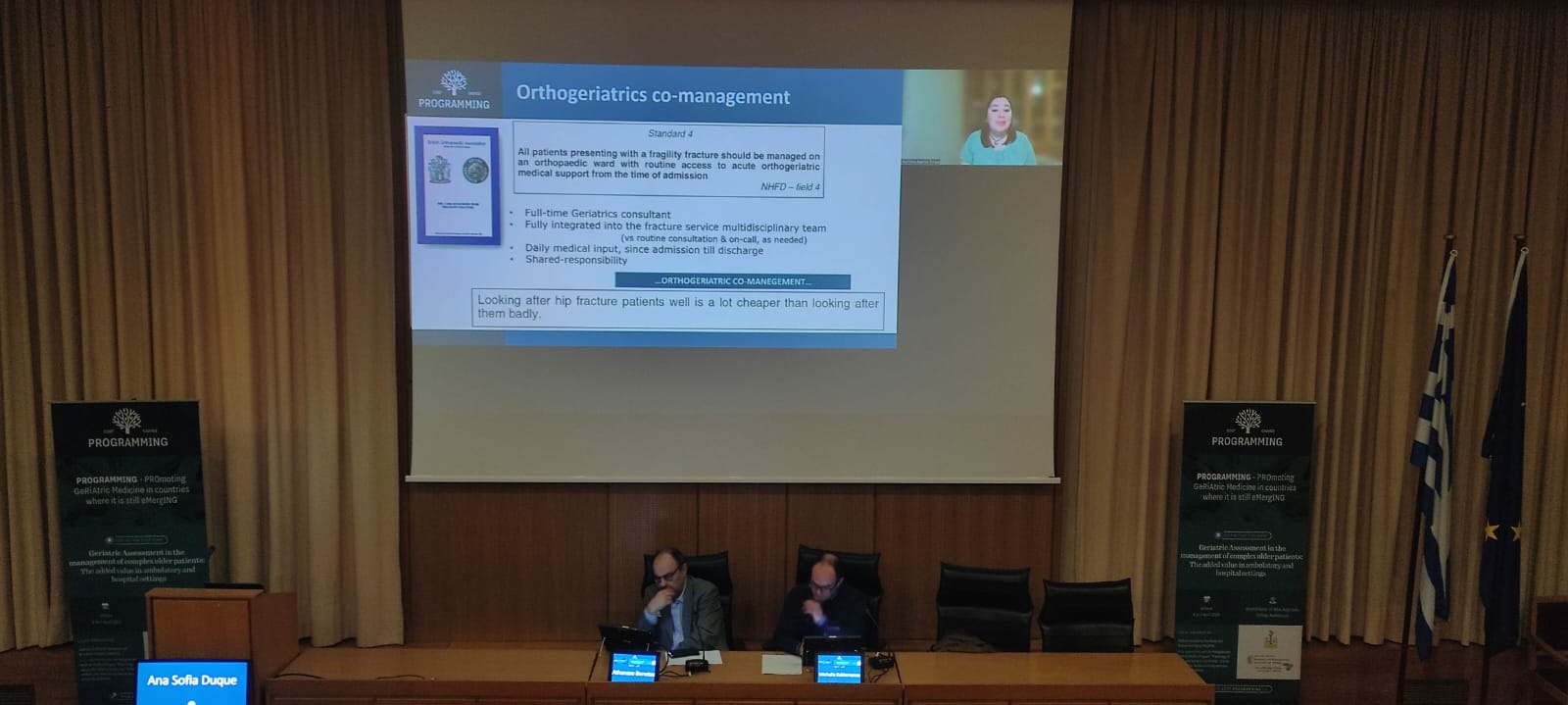
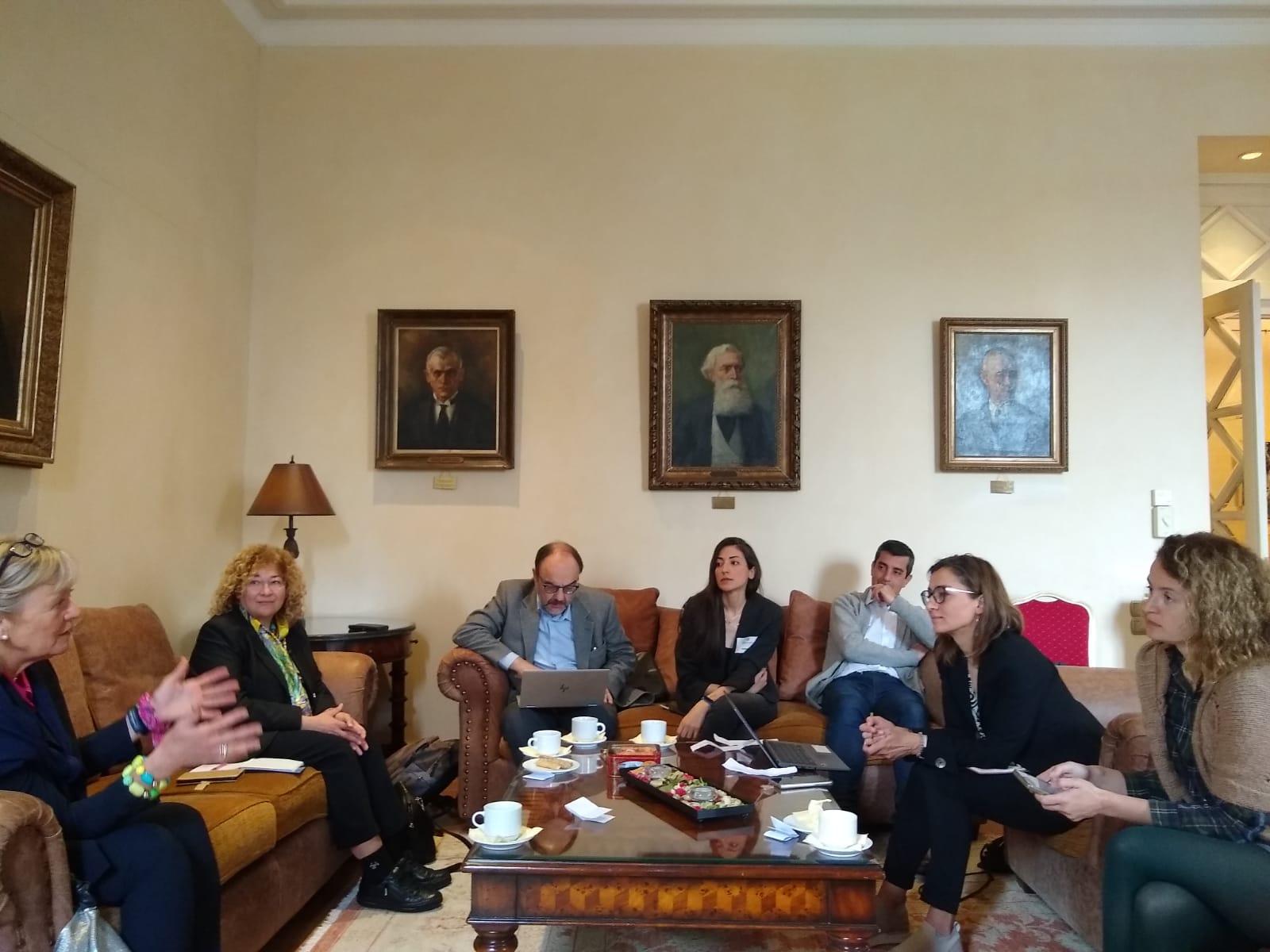
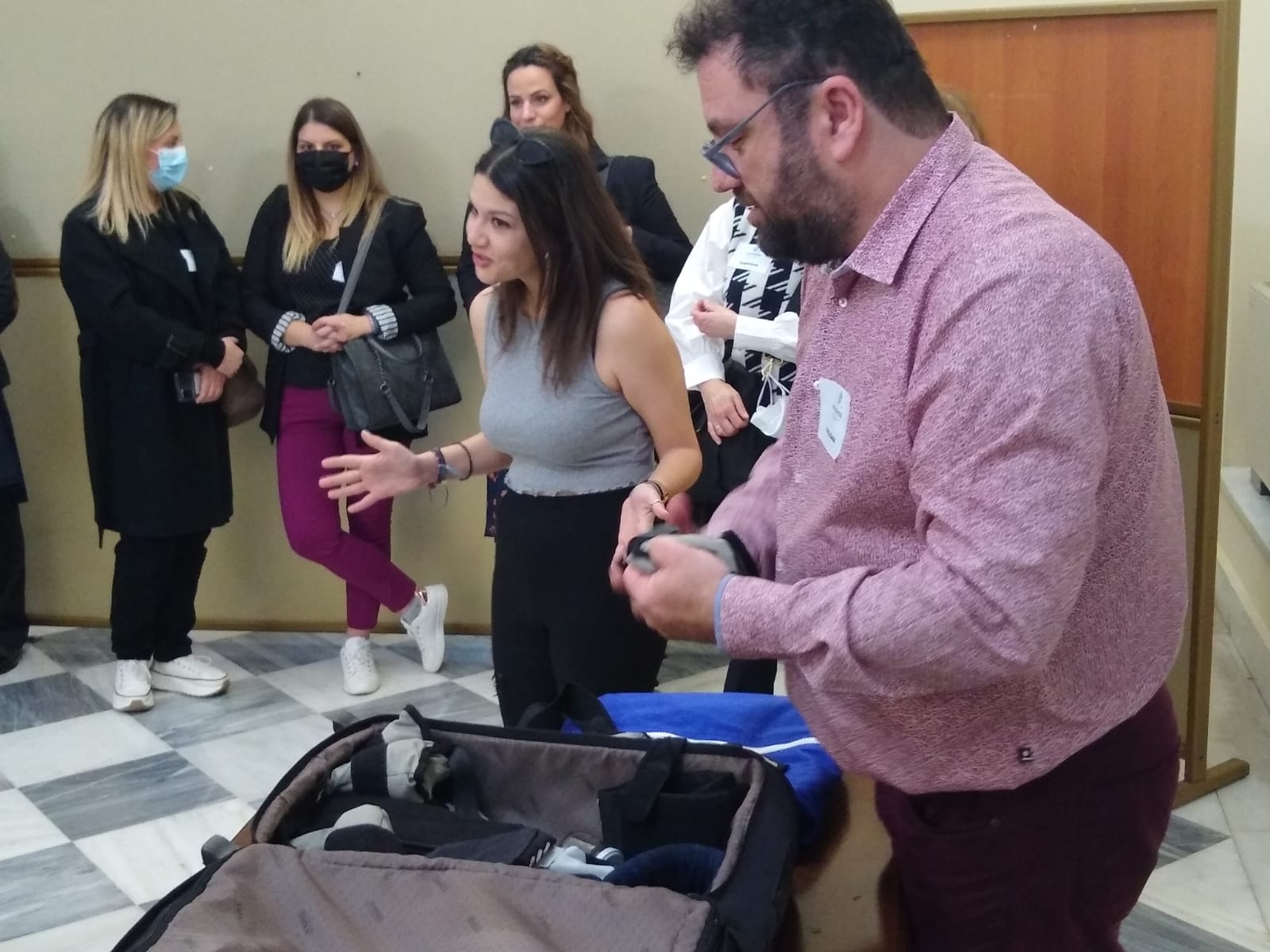
This 2-days’ event, which took place in 2 classical buildings in the historical center of Athens, started by conducting focus groups with health care professionals investigating their geriatric skills’ gaps and educational needs on Geriatric Medicine. Participants also had the opportunity to “experience old age” by the Old Age Simulation Suit before attending lectures by prominent international speakers, on hospital acquired complications for older patients and on what can be done at a primary care level to avoid preventable hospitalizations.


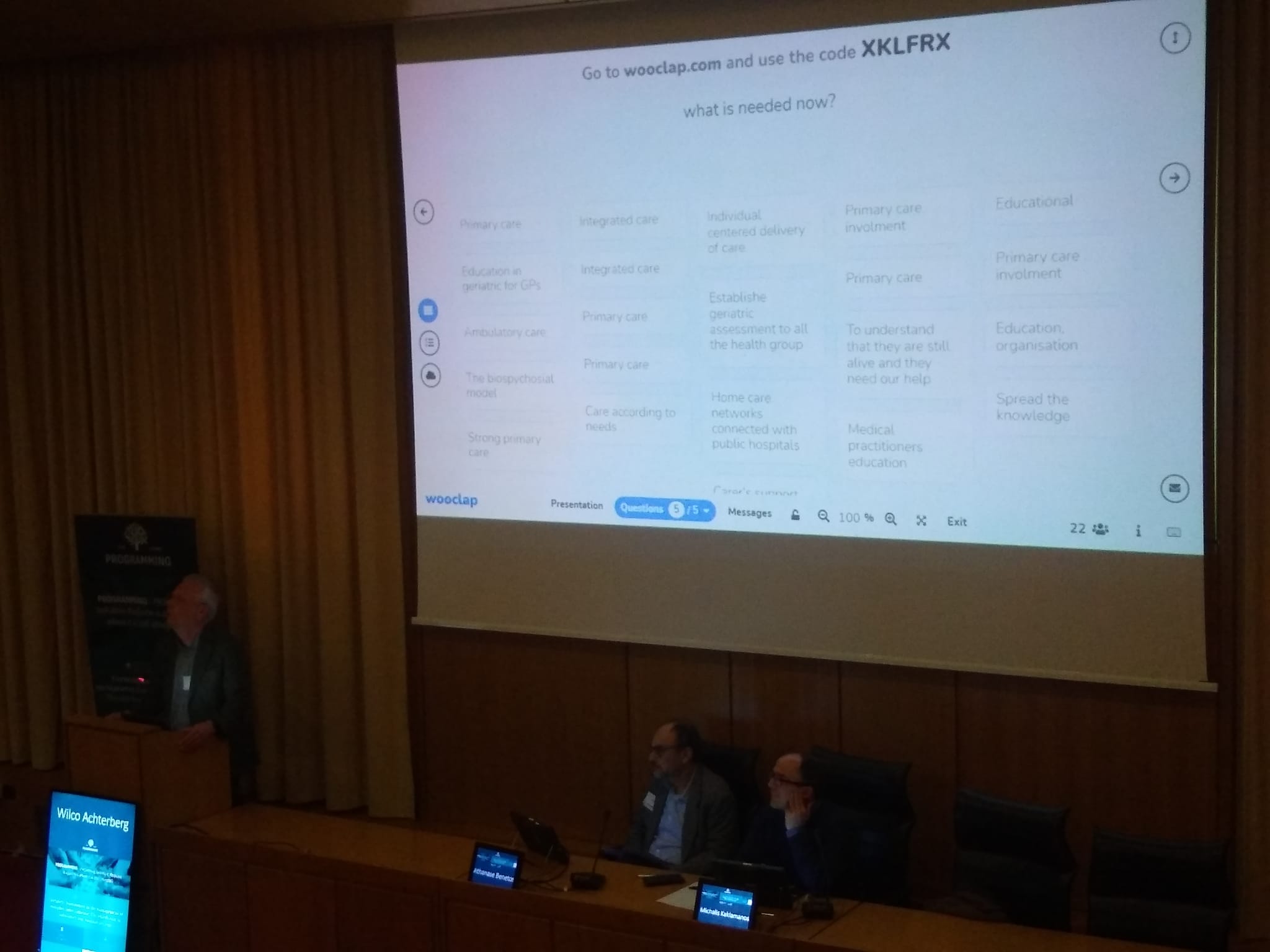
The second day started by a round table discussion on models of geriatric care and the presentation of several international examples of success stories and challenges, as well as a discussion on piloting geriatric care services in Greece, as an example of countries where geriatrics need to emerge almost from scratch. The event ended up with a fish-bowl type discussion with multiple national stakeholders examining the question “What would we ask for first for piloting geriatric services in Greece?’’. Health care professionals, representatives from scientific societies and the Academia from several Greek cities expressed their point of view, followed by comments from the audience and feedback from international experts. One of the conclusions was that educational activities, such as those proposed by the PROGRAMMING COST Action, could be a good point to start.
By hosting this event, Greece, one of the few European countries without Geriatrics as a recognized medical specialty or subspecialty yet, aimed to raise awareness of the public, inspire health care professionals (especially those with no prior formal training in geriatrics), engage stakeholders and convince policymakers on the added value of Geriatric Medicine and the urgent need of homogenizing international standards of care of older people all across Europe.
Quoting some participants’ spontaneous comment such us “I have never before talked about these extremely relevant issues with my colleagues” or “this was a very powerful and impactful event” or “let’s keep in touch for the continuation”, we may hope that some first seeds of geriatric awareness have been planted in a country where Geriatric Medicine is still emerging, as per PROGRAMMING’s aspiration… After all, Geriatric Medicine’s symbol, an old tree, looks so much like an olive tree …
Marina Kotsani