Dear Colleagues and friends,
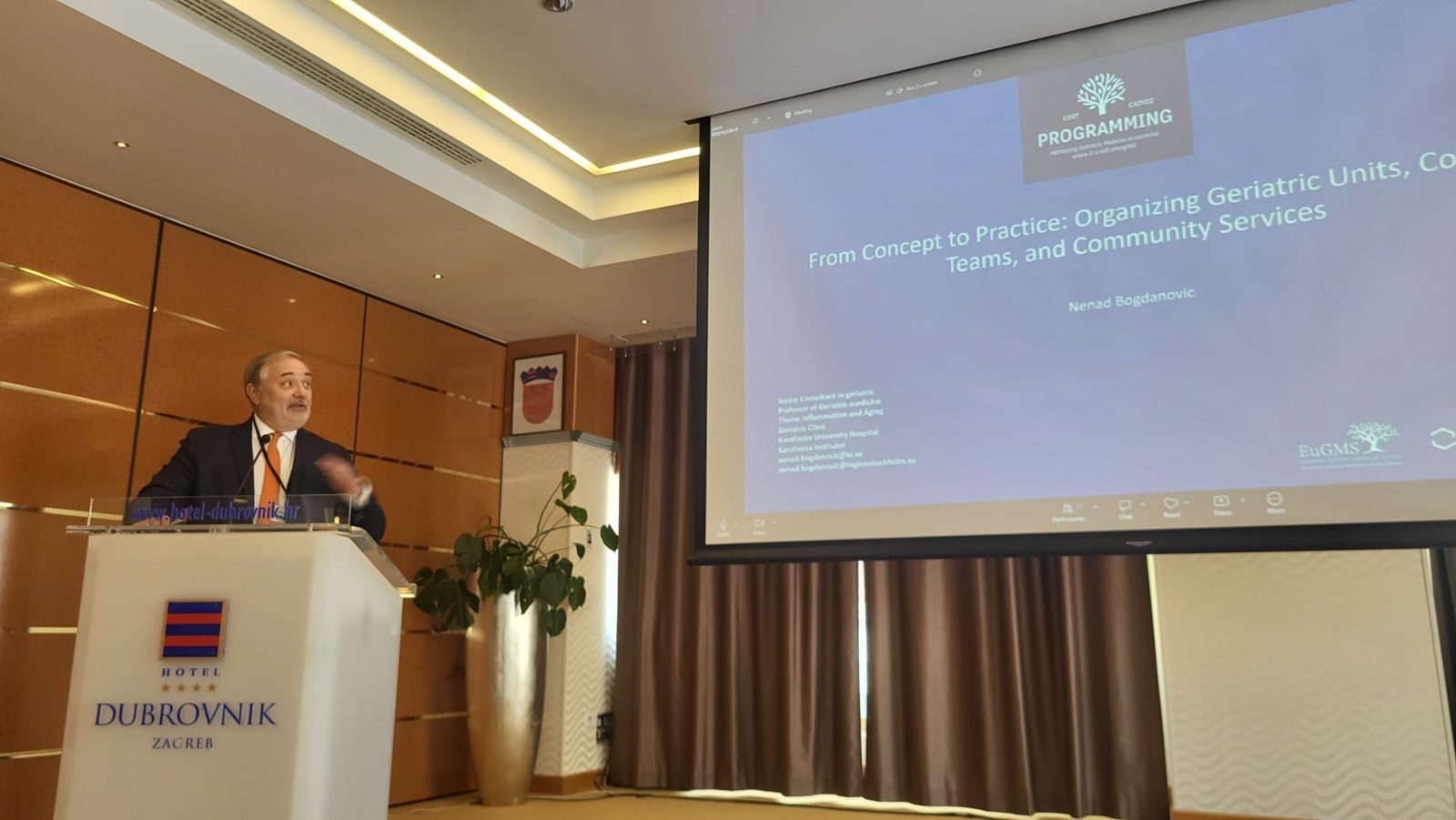
It is a distinct honour to welcome you to the joint event co-organised by PROGRAMMING (PROmoting GeRiAtric Medicine in countries where it is still eMergING) COST Action 21122 and the Global Europe Initiative (GEI) group of the European Geriatric Medicine Society-SPRIN-G which will be organized in Zagreb on June 16-18th, 2026.
This year’s meeting, entitled Building geriatric medicine in emerging health systems: from concept to implementation of person-centred care will be the 5th Sprin-G annual interdisciplinary educational event developed by the GEI, as well as a milestone scientific encounter for PROGRAMMING COST Action, which is approaching to its end.
Download Final Program.
Testimonials
Croatia | June 2026
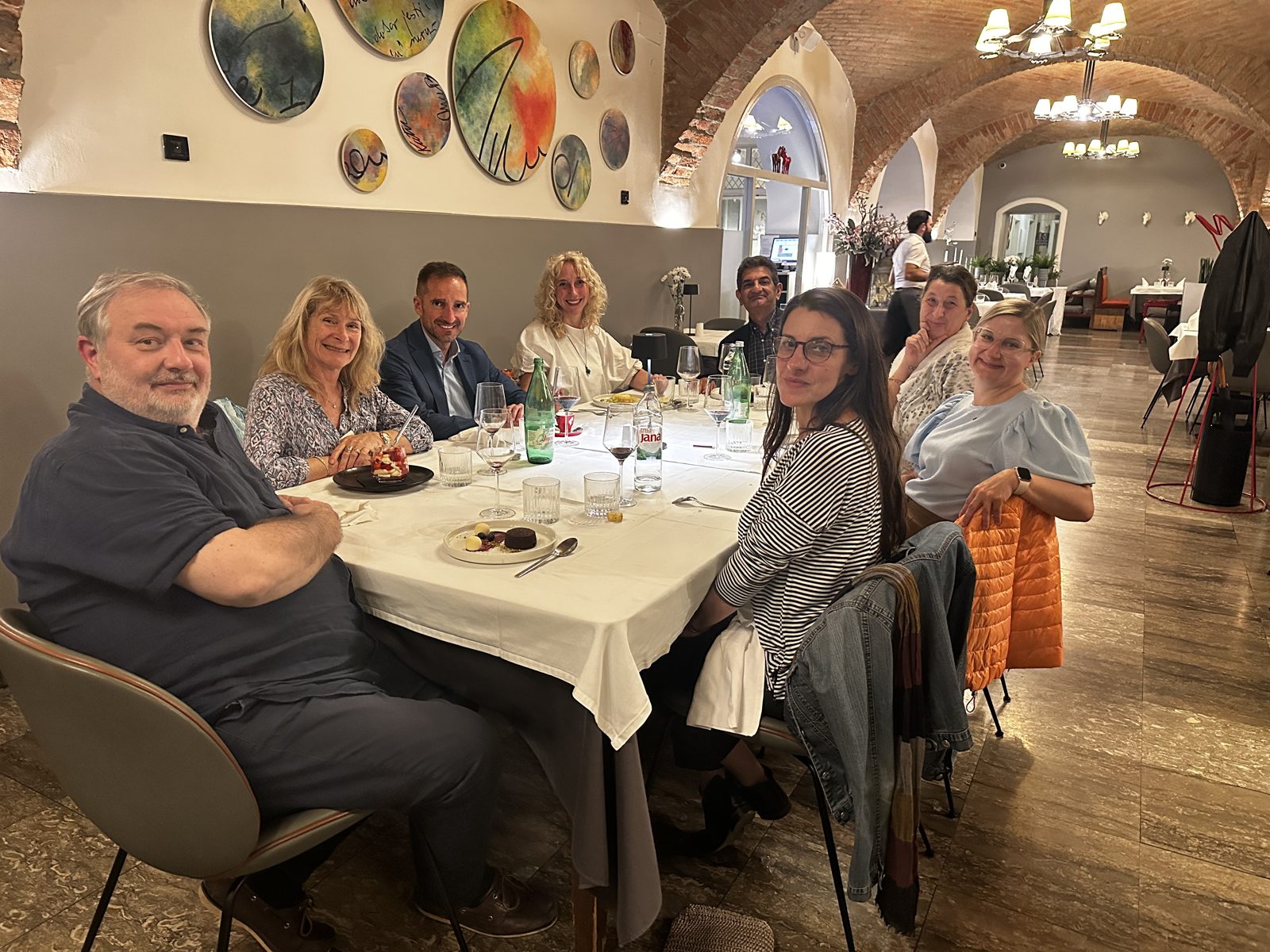
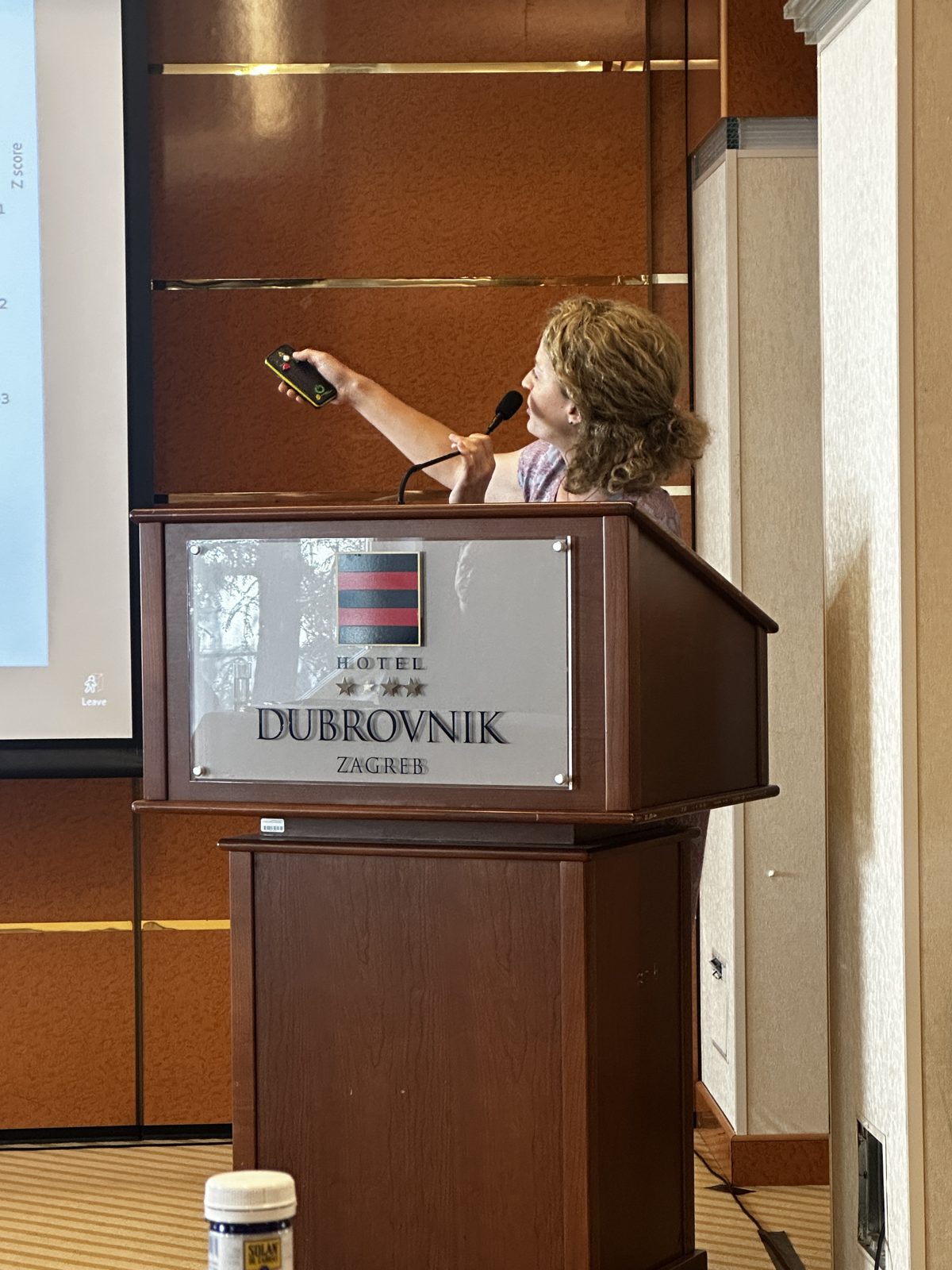
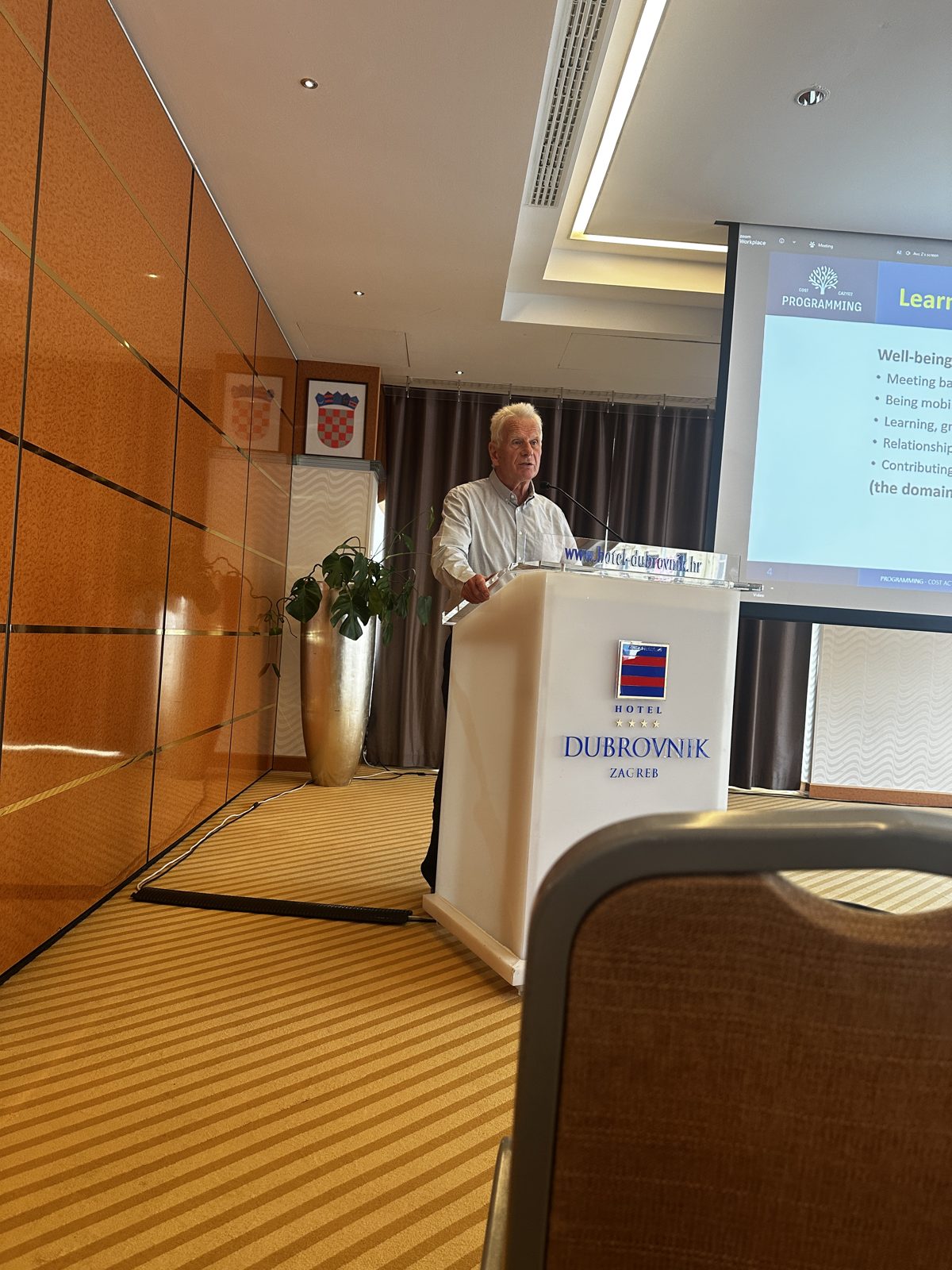
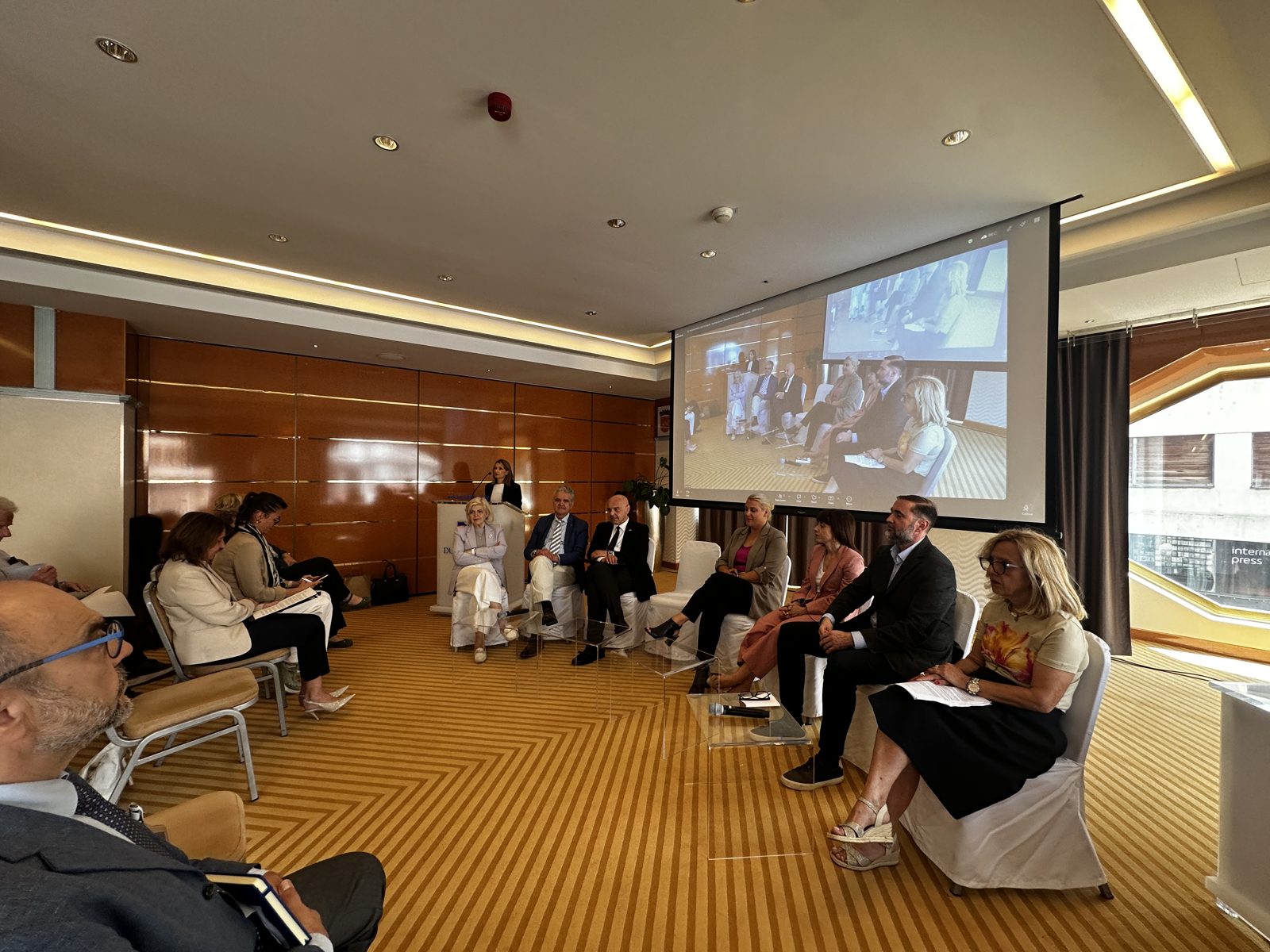
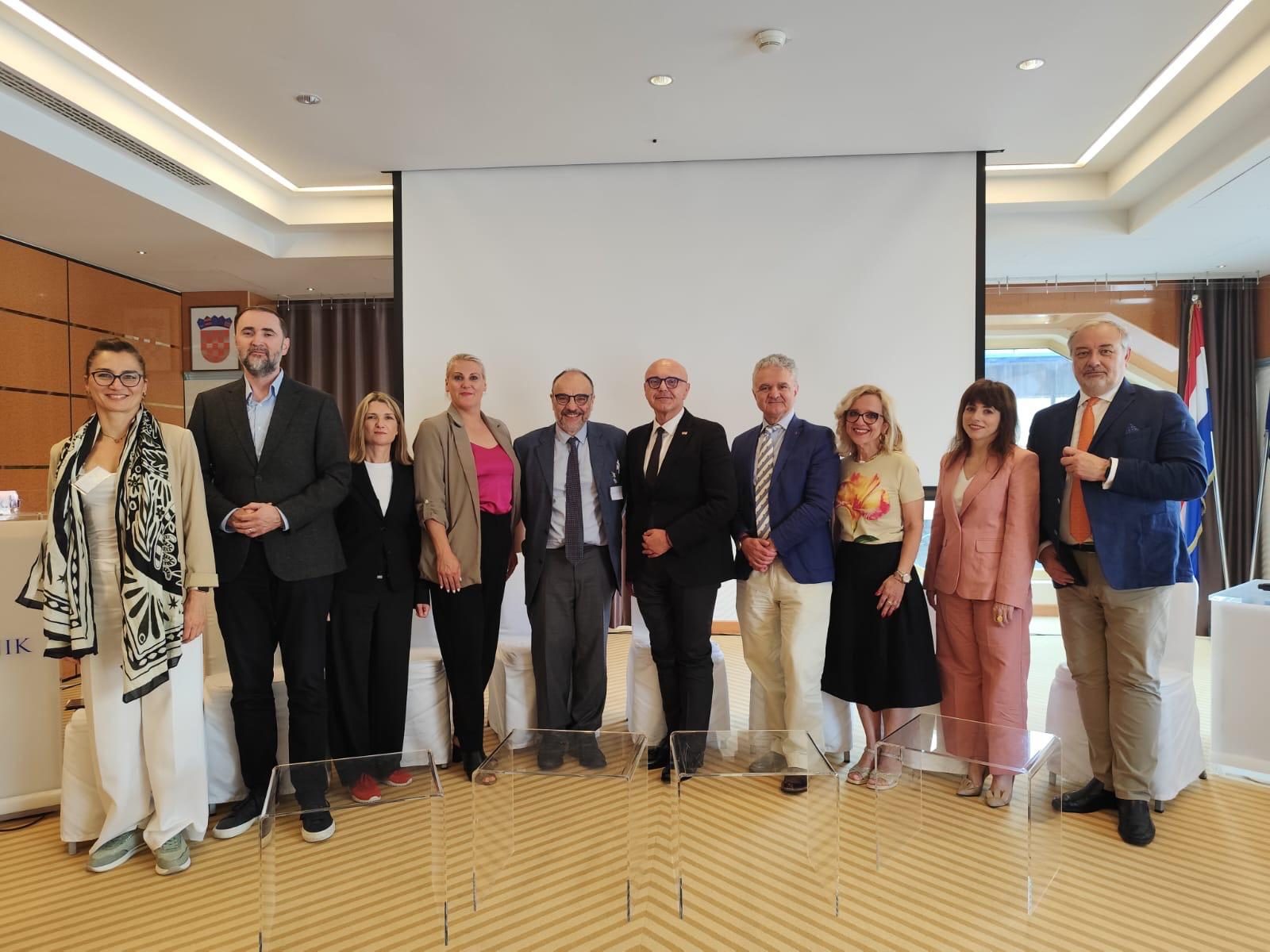
Hosting the PROGRAMMING meeting in Zagreb was both a professional privilege and a personal milestone. For many years I have worked in countries with well-developed geriatric services while remaining closely connected to Croatia, where the demographic need for modern geriatric care is rapidly increasing. Bringing together European experts, national decision-makers, clinicians, educators and representatives of the World Health Organization in one room created a unique opportunity to move the discussion from why geriatric medicine matters to how it can be implemented in countries where it is still emerging.
What impressed me most was the remarkable level of consensus that developed throughout the meeting. Although participants came from different healthcare systems and professional backgrounds, there was broad agreement that high-quality care for older people depends not only on increasing the number of geriatricians, but also on strengthening multidisciplinary teamwork, integrating health and social care, improving undergraduate and postgraduate education, and implementing Comprehensive Geriatric Assessment (CGA) as a standard approach across healthcare settings.
One of the strongest messages that emerged was that countries such as Croatia do not need to build entirely new healthcare structures. Many valuable components of geriatric care already exist within primary care, hospitals, rehabilitation, community nursing, social services and palliative care. The real challenge is to connect these existing resources into a coordinated, person-centred system that supports older adults throughout the entire care pathway.
For me personally, the meeting demonstrated the true value of European collaboration. The willingness of internationally recognised experts to openly share their experience, together with the active engagement of Croatian institutions and healthcare professionals, created an atmosphere of mutual respect, optimism and genuine commitment to change. Rather than simply exchanging ideas, we started building practical partnerships that I hope will continue long after the PROGRAMMING project has ended.
I believe the Zagreb meeting will be remembered not only as a successful scientific event, but as an important step towards strengthening geriatric medicine in Croatia and other emerging healthcare systems. If even a part of the ideas discussed in Zagreb are translated into education, clinical practice and national policy, the greatest beneficiaries will be older people and their families.
Prof. Nenad Bogdanović, MD, PhD
Karolinska Institutet, Stockholm, Sweden
Visiting Professor, University of Zagreb School of Medicine
Croatia | July 2026
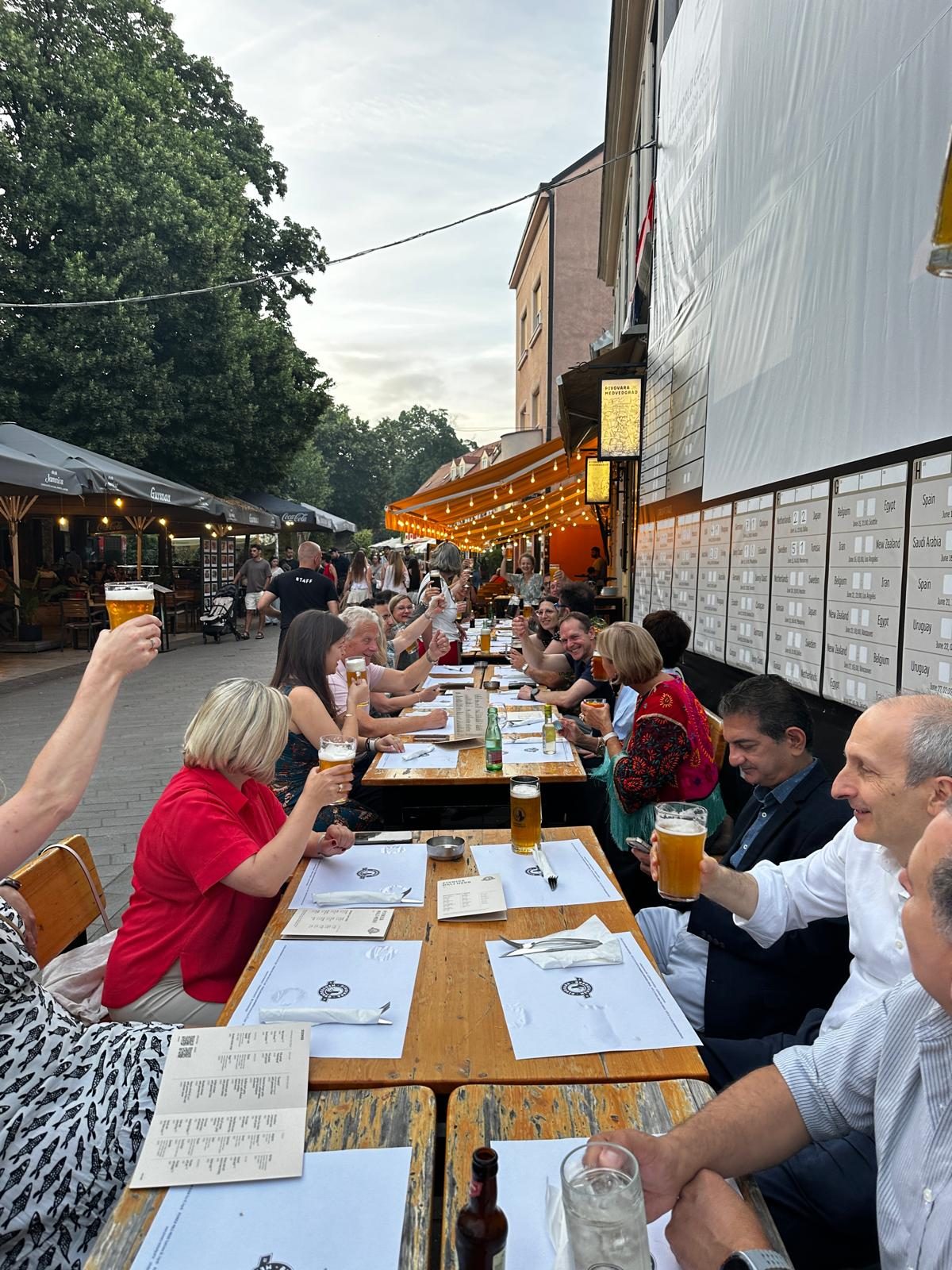
When we first envisioned bringing the PROGRAMMING meeting to Zagreb, it wasn’t just about organizing another academic conference—it was deeply personal. Hosting this extraordinary gathering of European leaders in geriatric medicine right here in Zagreb was a moment of immense pride for me as President of the Croatian Society for Gerontology and Geriatrics, but even more so as someone dedicated to the future of Croatian healthcare. To look around the room and witness brilliant minds from across the continent exchanging knowledge, sharing their experience, and offering collaboration on the future of geriatric care was truly moving.
I completely agree with Nenad’s thinking: similar to most countries in our region many valuable components of geriatric care already exist within our primary care, hospitals, rehabilitation, and social services but we need to put more effort to connect these existing resources into a coordinated, person-centred system that supports older adults throughout the entire care pathway.
I’m sure the the connections made and the energy felt in Zagreb will stay with us for a long time, giving us the tools, inspiration, and collective strength to transform geriatric medicine in Croatia.
Prof. Tajana Pavic, MD, PhD
Sestre Milosrdnice University Hospital Center, Zagreb
Zagreb School of Medicine
President of the Croatian Society for Gerontology and Geriatrics